
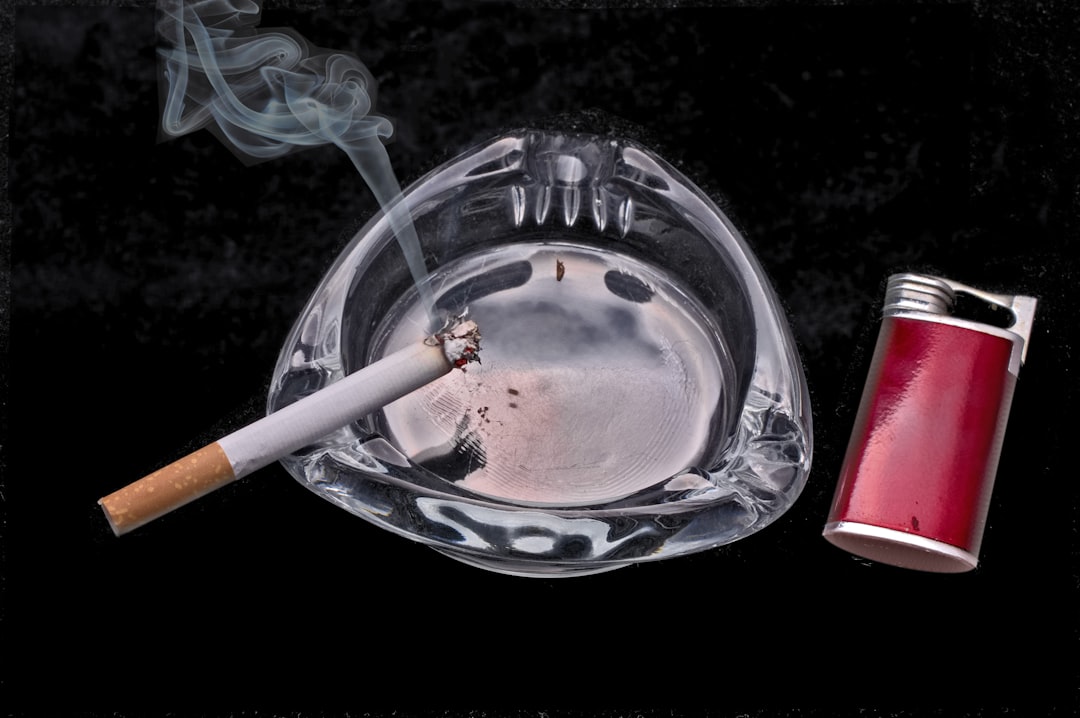
Reducing smoking rates remains one of the most important public health goals in the UK and beyond. While prevention, education, and stop-smoking services all play a vital role, many adult smokers still struggle to move away from combustible cigarettes for good. This is where reusable vapes have become increasingly significant. They are not a magic solution, but they can be a practical and effective tool for smokers who want an alternative that better fits daily life. When used responsibly by adult smokers, reusable vaping devices can support smoking reduction efforts by offering flexibility, familiar behavioural cues, and a potentially more sustainable route away from cigarettes.
Why Reusable Vapes Matter in Smoking Reduction
Reusable vapes can play a positive role because they address one of the biggest challenges in smoking cessation: finding a substitute that feels both satisfying and manageable. Many smokers are not only dependent on nicotine, but also on routines such as hand-to-mouth action, inhalation, and regular breaks. Reusable devices can replicate some of these habits without involving tobacco combustion, which is the main source of many harmful chemicals associated with smoking.
For adult smokers who have tried to quit using willpower alone, the transition can be difficult. Reusable vape kits offer a more adaptable approach. Users can often choose different nicotine strengths, e-liquid flavours, and device styles, allowing them to find an option that suits their preferences. That level of personalisation can make a major difference in helping someone move completely away from cigarettes rather than alternating between products indefinitely.
From a smoking reduction perspective, consistency matters. A reusable vape is designed for ongoing use, which can help create a stable replacement behaviour. Instead of repeatedly buying single-use products or returning to cigarettes when a device runs out, users can recharge, refill, or replace pods as needed. This continuity may improve the chances of staying off tobacco over time.
Cost, Satisfaction, and Long-Term Switching
Another reason reusable vapes support smoking reduction efforts is simple economics. Smoking is expensive, and for many people, so is relying on disposable alternatives. Reusable systems often become more cost-effective over time, especially for smokers who are serious about making a lasting switch. Lower ongoing costs can remove a major barrier and make it easier for users to stick with an alternative rather than relapse to cigarettes.
Satisfaction is equally important. If a device is unreliable, inconsistent, or inconvenient, smokers may quickly lose confidence in it. Reusable devices often provide better battery life, improved vapour production, and more dependable performance than entry-level options. For people exploring practical pod-based systems, products such as Hayati Pro Max pods reflect the growing demand for convenient setups that can support a smoother transition away from smoking.
Over the long term, the ability to adjust the vaping experience is especially valuable. A smoker who starts with a higher nicotine strength may later reduce it gradually, depending on their goals. That step-down approach can feel more achievable than stopping abruptly. In this sense, reusable vapes do not just replace cigarettes in the short term; they can also support a structured path toward lower nicotine dependence for some users.
Environmental Advantages That Reinforce Better Habits
The conversation around vaping and smoking reduction increasingly includes sustainability, and reusable devices have a clear advantage here. Disposable products create more waste because they contain batteries, plastic, and electronics intended for short-term use. Reusable vapes, by contrast, are built for repeated charging and longer service life. While no consumer product is impact-free, choosing a reusable option can reduce the volume of waste generated by people who have already moved away from smoking.
This environmental benefit can reinforce positive behaviour. Smokers trying to make better health choices often also want to make more responsible consumer decisions. A reusable device aligns with that mindset by encouraging maintenance, planning, and more deliberate purchasing. Rather than treating vaping as a throwaway habit, reusable systems help frame it as a controlled alternative used with purpose.
There is also a broader policy benefit. Public confidence in smoking reduction strategies depends in part on whether the alternatives appear responsible and manageable. Reusable products fit more easily into discussions about regulated, adult-focused harm reduction than products associated with excess waste or impulse use. As a result, they may help strengthen the case for pragmatic, evidence-informed approaches to lowering smoking prevalence.
Best Practices for Maximising the Positive Impact
Reusable vapes are most effective in smoking reduction when they are part of a clear strategy. The goal should be to help adult smokers move away from combustible tobacco completely, not to encourage dual use indefinitely. Clear product information, sensible nicotine choices, and access to reputable retailers all improve the likelihood of a successful switch.
Several best practices can increase the positive impact of reusable vaping devices:
- Choose a reliable device: A dependable reusable vape reduces frustration and helps maintain consistency.
- Use an appropriate nicotine strength: If nicotine is too low at the start, smokers may return to cigarettes for satisfaction.
- Buy from reputable sources: Quality-controlled products are important for safety, performance, and compliance.
- Set a clear objective: Whether the aim is full switching or gradual reduction, a defined plan supports better outcomes.
- Avoid casual relapse triggers: Social situations, stress, and alcohol can prompt smokers to return to cigarettes, so preparation matters.
Public messaging also matters. Reusable vapes should be discussed honestly: they are intended for adult smokers seeking an alternative, not for non-smokers or young people. That balanced approach protects the integrity of smoking reduction efforts while preserving access for those who may benefit from switching.
When combined with stop-smoking support, education, and sensible regulation, reusable vapes can complement broader tobacco control policies. They do not replace prevention or cessation services, but they can serve as an important option within a wider toolkit.
In conclusion, reusable vapes can have a positive impact on smoking reduction efforts by offering adult smokers a practical, customisable, and potentially more sustainable alternative to cigarettes. Their affordability over time, consistent performance, and adaptability make them especially relevant for long-term switching. While responsible regulation and clear public guidance remain essential, reusable devices have earned a meaningful place in the conversation about reducing smoking rates and supporting better outcomes for smokers who are ready to move away from tobacco.