Eating for Healthy Teeth and Gums: What Goes on Your Plate
· 2 min
In short
Brushing matters, but so does what you eat and when. A practical look at the foods and habits that are kinder to teeth and gums.
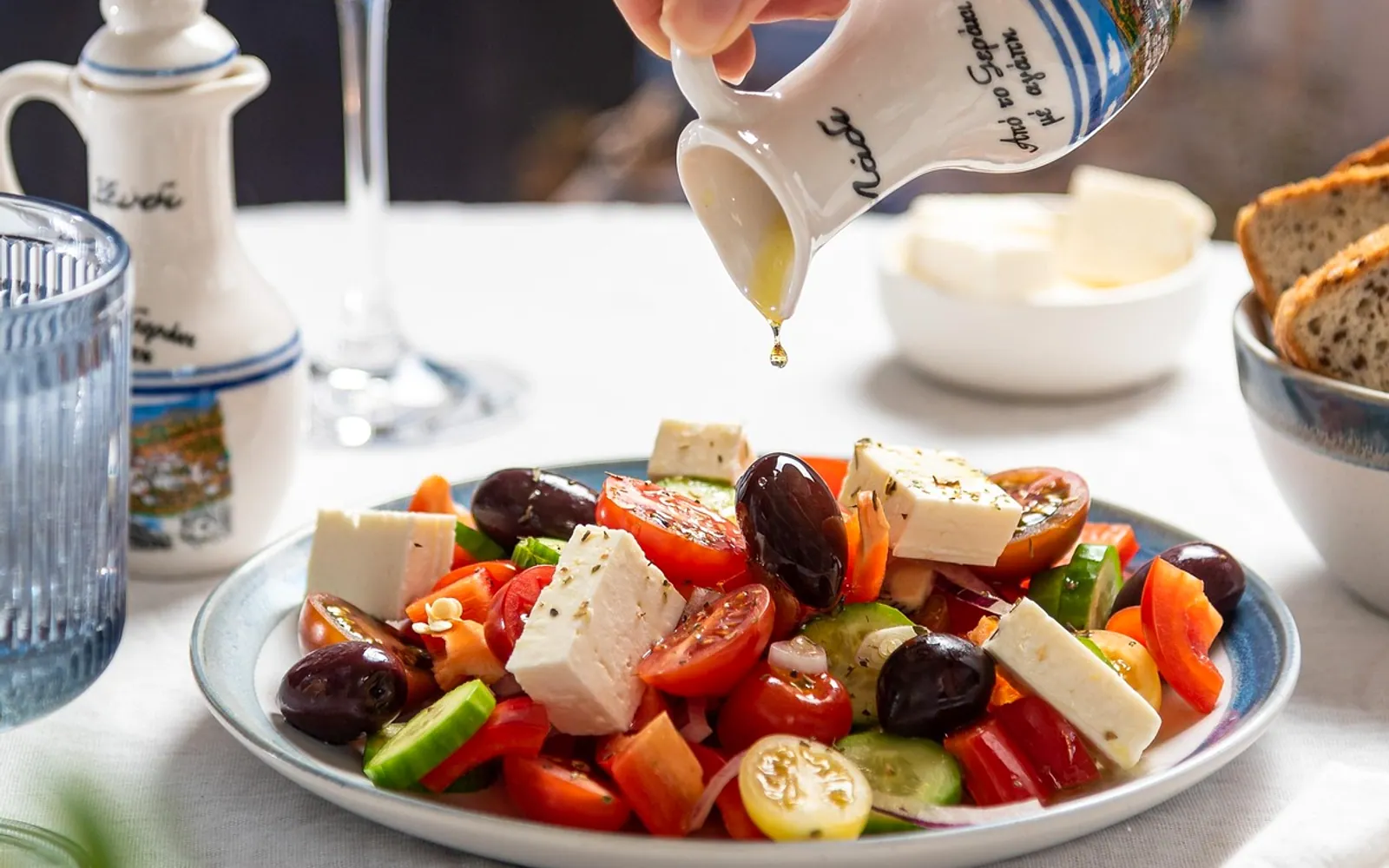
Most advice about teeth focuses on brushing and flossing, and for good reason. But what you eat and drink — and how often — has a real influence on your mouth too. The good news is that a diet that suits your teeth looks very much like a diet that suits the rest of your body.
It's how often, not just how much
Every time you have something sugary, the bacteria in your mouth produce acid that softens tooth enamel for a while afterwards. Your saliva gradually repairs this, but only if it gets a break. That is why sipping a sweet drink over a whole afternoon or grazing on biscuits all day tends to be harder on teeth than having a sweet treat with a meal and then stopping.
Watch the acidic drinks
Fizzy drinks, sports drinks and fruit juices can be acidic even when they are sugar-free. Having them with meals, using a straw, and finishing with a glass of water can all reduce the time your teeth are bathed in acid. Plain water and milk are the most tooth-friendly everyday drinks.
Foods that help
- Crunchy vegetables and fruit such as carrots, celery and apples need plenty of chewing, which encourages saliva.
- Dairy foods like cheese, milk and plain yoghurt provide calcium; a small piece of cheese at the end of a meal is an old and sensible habit.
- Leafy greens, beans and nuts add minerals and fibre and are useful for people who don't eat dairy.
- Whole grains are generally a better choice than sticky refined snacks that cling to teeth.
Gums need looking after too
Healthy gums depend on good cleaning, but a varied diet with plenty of fruit and vegetables supports the body's general ability to heal and fight infection. If your gums bleed regularly when you brush, that is worth mentioning to your dentist rather than ignoring.
Simple habits after eating
- Drink some water after meals and snacks.
- Wait a while before brushing after acidic food or drink, as enamel is softer straight afterwards.
- Chewing sugar-free gum after a meal can help get saliva flowing.
Keep it realistic
You don't need to give up treats altogether. Keeping sweet foods to mealtimes, choosing water more often and filling your plate with whole foods will do a lot of the work. Pair that with regular brushing and dental check-ups, and your teeth and gums are in a good position.
Information for everyday reading — your own doctor knows your situation best.