From Classroom to Clinic: The Road to Becoming an Orthodontist
· 2 min
In short
Orthodontics appeals to people who like science, careful handwork and seeing a long piece of work through to the end. Treatment often lasts many months, so orthodontists get to know their patients…
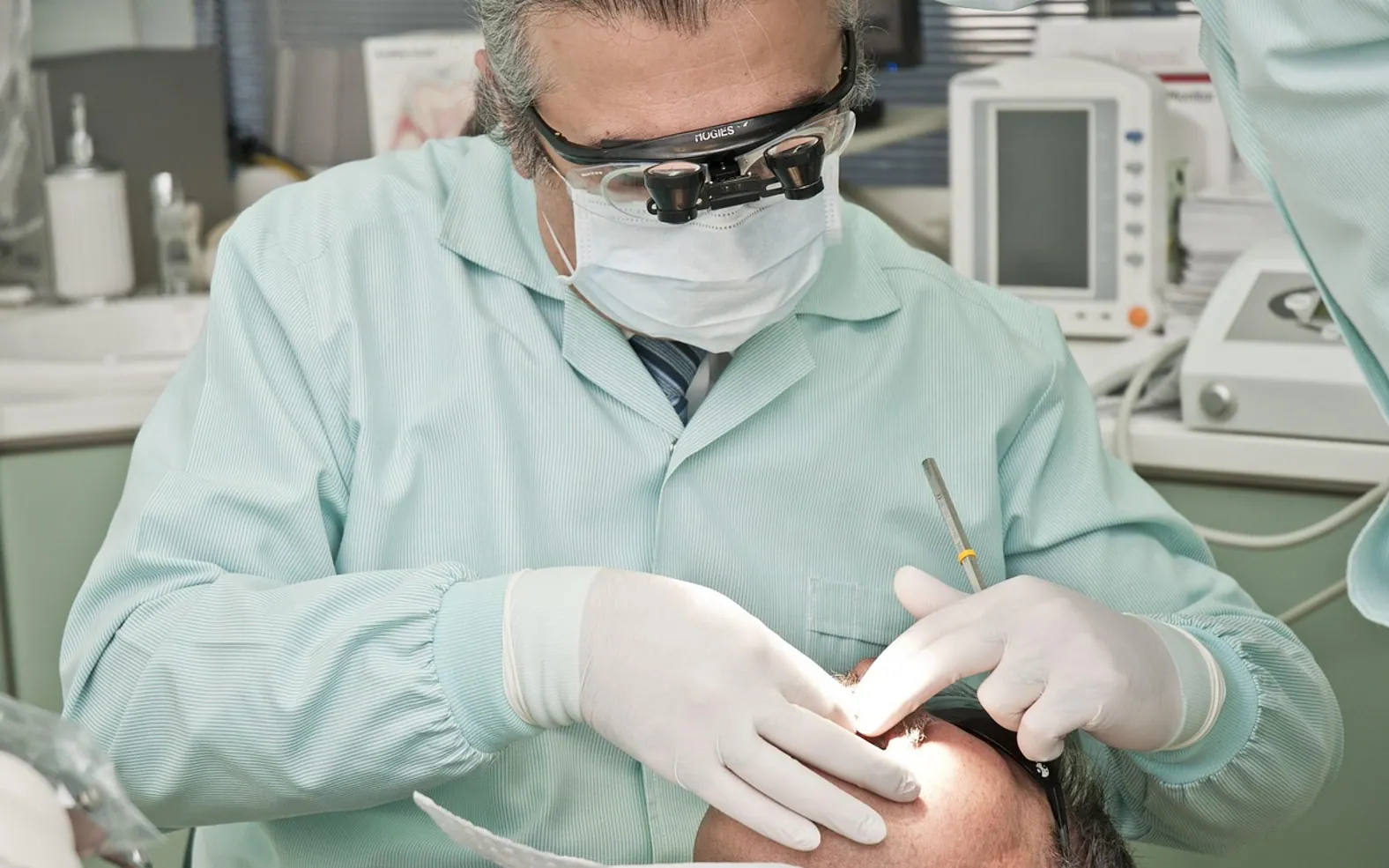
Orthodontics appeals to people who like science, careful handwork and seeing a long piece of work through to the end. Treatment often lasts many months, so orthodontists get to know their patients well. If you are wondering what the path looks like, here is an outline of the main stages and what each one asks of you.
Building a science foundation
Most future orthodontists start with a university degree that leans heavily on biology, chemistry and physics. Alongside the coursework, spending time in a dental practice — observing, asking questions, seeing how appointments run — is one of the best ways to test whether the work suits you. Habits formed here, such as planning your own study and managing a busy timetable, become essential later on.
Dental school
The next step is a professional dental degree. Students learn how the body works, how disease develops, how medicines act and how dental materials behave. Practical skills are first built in simulation labs, then used with real patients under supervision. Rotations through areas such as fillings, gum care, root treatment and oral surgery give a broad base before anyone chooses a specialty. Time spent around orthodontie clinics is often what first draws students towards tooth movement and facial growth.
Specialist training
Qualified dentists who want to specialise apply for orthodontic training, and places are competitive. Training focuses on diagnosis, how the face and jaws grow, and the mechanics of moving teeth safely. Trainees manage their own cases, present them to colleagues and learn to use imaging and planning software. They work with braces, wires and clear aligners, and learn to adjust a plan as each patient's teeth respond.
Learning to read research
Many programmes ask trainees to complete a research project. Even for those who never publish again, the experience teaches how to judge a study critically. That skill pays off throughout a career, because new materials and techniques appear regularly and not all of them live up to their promise.
Exams and ongoing learning
Depending on the country, specialists sit formal examinations and may seek board certification by presenting treated cases for independent review. The learning does not stop there: keeping registration usually involves continuing education, so practice stays up to date.
The people side of the job
Technical skill is only half the work. Orthodontists explain diagnoses to children and parents, set realistic expectations about timelines, and keep patients motivated through months of appointments. They also work closely with general dentists and other specialists when treatment overlaps. Many run or help run a practice, so leadership, teamwork and basic business sense are useful too.
Is it the right path for you?
The route is long and demanding, but it leads to work that combines problem-solving with visible results. If you enjoy science, have patience for detail and like the idea of long-term relationships with patients, spending time in a practice is the best next step to find out more.
Information for everyday reading — your own doctor knows your situation best.