Float Therapy: What Happens in a Float Tank
· 4 min
In short
Lying weightless in warm, salty water with little light or sound is an unusual experience. Here is what a float session involves, from the shower beforehand to the first slightly dizzy steps afterwards.
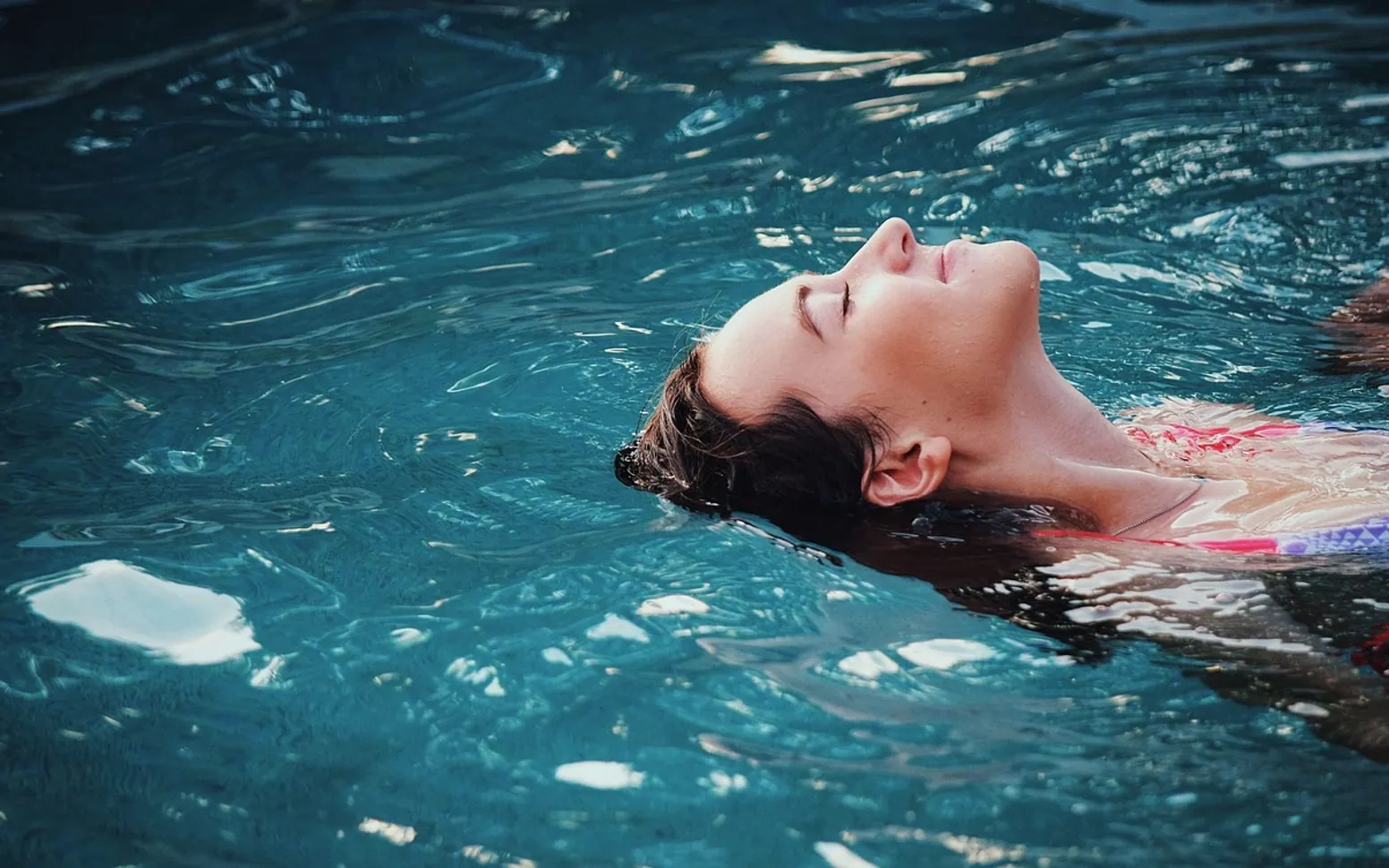
Float therapy means lying in a shallow pool of very salty water, warmed to around skin temperature, inside a tank, pod or small room where light and sound can be reduced or switched off. The salt makes you float effortlessly, and the lack of outside input is designed to help the body and mind settle. Sessions usually last about an hour. Many people find it deeply relaxing, though early research is still building and it is not a treatment for any medical condition on its own.
Other names you may see
Float therapy is also called flotation therapy, floating, sensory deprivation or sensory reduction, and in research it is often described as flotation-REST, short for restricted environmental stimulation technique. The equipment ranges from enclosed tanks and pods with lids to open float pools in a private room.
How it works
- Salt: a large quantity of Epsom salt (magnesium sulphate) dissolved in the water makes it dense enough to support the body without effort.
- Temperature: the water and air are kept close to skin temperature, so the boundary between body and water becomes hard to feel.
- Quiet and darkness: with lights off and earplugs in, there is very little for the senses to process.
With no need to hold yourself up and little to see or hear, attention often shifts inwards: to the breath, the heartbeat and the slow loosening of muscles.
A session step by step
- Arrive and get shown round. Staff explain the controls, how to open the lid or door and how to call for help.
- Shower. You wash before entering to keep the water clean. Most centres ask you to avoid shaving or waxing on the day, as salt stings freshly shaved skin.
- Protect small cuts. A thin layer of petroleum jelly over any scratches helps.
- Earplugs in. These keep salty water out of your ears.
- Settle in. Lie back and let the water take your weight. Some people rest their arms by their sides, others above the head.
- Choose light or dark. You can usually keep a light on or the lid open if you prefer.
- Rest. Gentle music often signals the start and end of the session.
- Shower again. Rinse off the salt thoroughly, including your hair and ears.
What it may feel like
The first few minutes can feel strange. The neck often takes a while to let go, and the mind may race before it quietens. People describe floating, losing track of time, a heavy relaxed feeling, or drifting close to sleep. Some feel little difference on the first visit and more on later ones. Afterwards, stand up slowly, as a short period of light-headedness is not unusual.
What the research suggests
Studies have looked at floating for stress, anxiety, muscle tension and sleep. Some small trials report short-term improvements in relaxation and mood, but many studies are small or lack strong comparison groups. A fair summary is that floating seems to be a pleasant way to relax for many people, with more research needed on longer-term effects. If you are dealing with anxiety, depression or chronic pain, use it alongside, not instead of, care from your doctor or therapist.
Tips for a better first float
- Eat a light snack an hour or two beforehand, so you are neither hungry nor full.
- Skip caffeine for a few hours before.
- Avoid touching your face; salt in the eyes stings. Centres provide a spray bottle of fresh water and a towel within reach.
- Use a neck support if one is offered.
- Spend the first minutes on slow breathing; the technique in our diaphragmatic breathing guide works well lying down.
- Plan a calm hour afterwards rather than rushing straight back into a busy day.
Who should check first
Speak with your doctor before floating if you:
- Are pregnant
- Have epilepsy or a history of seizures
- Have a heart condition, very low blood pressure, or kidney problems
- Have open wounds, a skin infection or a skin condition that salt may irritate
- Have any condition that could make it unsafe to be alone in water
Floating is usually not offered to people under the influence of alcohol or drugs. If you feel uneasy in small spaces, ask for an open pool or a pod you can leave open; you remain in control throughout.
Bringing the calm home
Floats are not cheap, and they are not the only way to rest deeply. Much of what makes them work, such as dimmed light, warmth, quiet and slow breathing, can be recreated in a short evening routine. Our breathing exercises for sleep and the body-based practices in somatic exercises are low-cost ways to practise the same kind of letting go.
This article is general information. If you have a health condition, check with your doctor before trying float therapy.
Information for everyday reading — your own doctor knows your situation best.