Horticulture Therapy: How Gardening Supports Wellbeing
· 3 min
In short
Horticultural therapy uses planting, growing and tending as a structured way to support recovery and wellbeing. Its principles can also shape how you garden at home.
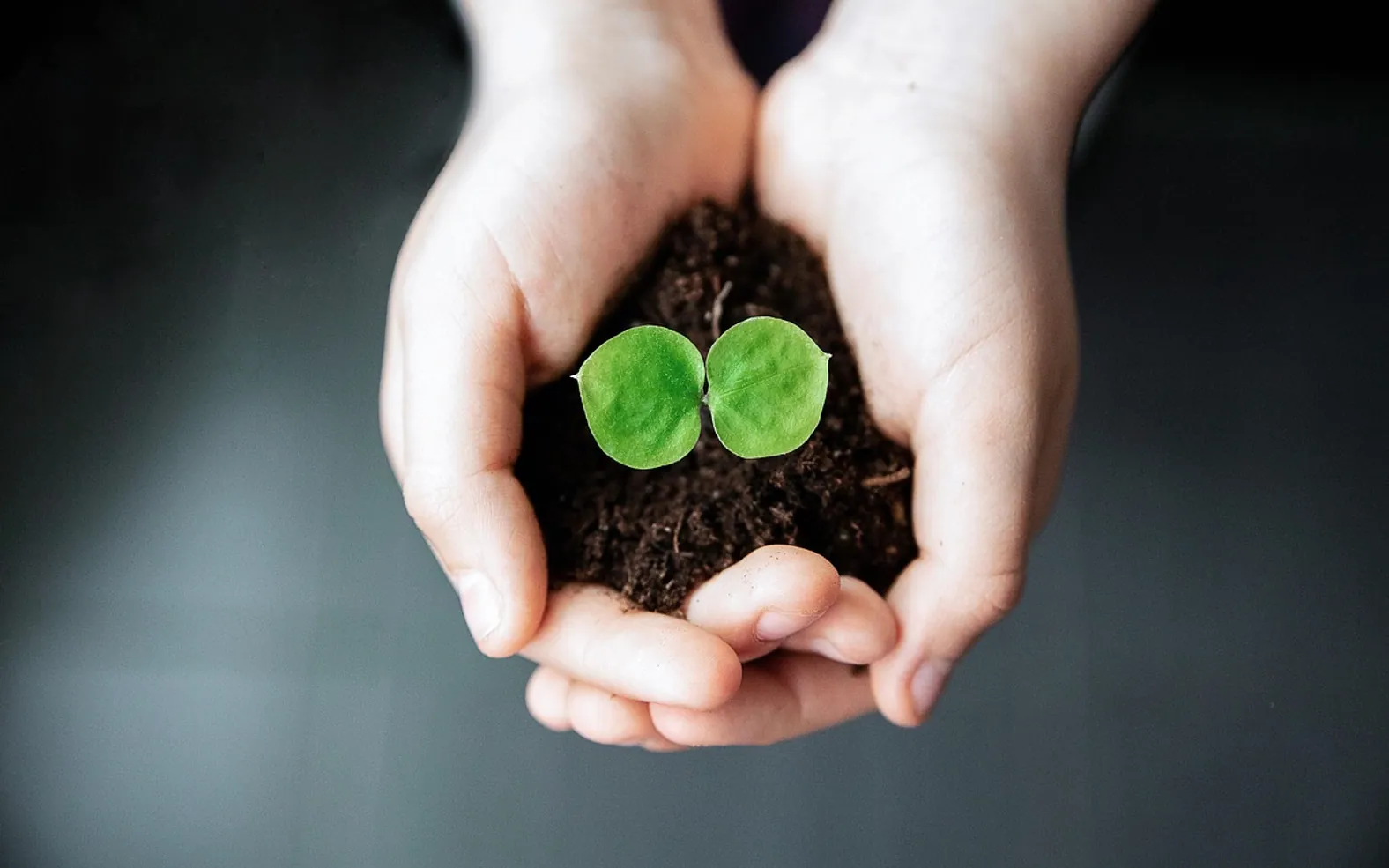
Horticulture therapy, also called horticultural therapy, is the structured use of gardening and plant-based activities to support a person's physical, mental or social wellbeing, usually guided by a trained practitioner and built around personal goals. It is offered in places such as rehabilitation units, care homes, mental health services, schools and community gardens. Gardening at home is not the same thing, but it can borrow many of the same ideas.
Therapy, therapeutic gardening and plain gardening
| Horticultural therapy | Therapeutic horticulture | Gardening for pleasure | |
|---|---|---|---|
| Led by | A trained practitioner, often within a care team | Group leaders, volunteers or staff | Yourself |
| Goals | Specific, agreed and reviewed, such as hand strength or confidence | General wellbeing, social contact, routine | Enjoyment, food, a nicer outdoor space |
| Setting | Hospitals, rehabilitation, specialist projects | Community gardens, charities, care settings | Home, allotment, balcony |
The terms are used loosely and differ between countries, but the distinction helps when you are looking for a programme: one that sets and reviews goals with you is closer to therapy.
What a session might involve
Activities are chosen to match each person's abilities and aims, then adapted as they progress. Typical tasks include:
- Sowing seeds and pricking out seedlings, which uses fine finger movements
- Potting on, watering and deadheading, which build routine and responsibility
- Digging, raking or carrying, which add gentle physical effort
- Harvesting and preparing produce, sometimes followed by cooking together
- Sensory activities such as handling herbs, leaves and bark
- Planning a bed or a season, which involves memory, sequencing and decision-making
Who it is used with
Programmes are run for a wide range of people, for example those recovering from a stroke or injury, adults living with dementia, people with learning disabilities, people experiencing mental health difficulties, veterans, and young people who struggle in a classroom. The emphasis is on what the person can do and wants to build, not on producing a perfect garden.
Why people find it helpful
Research on horticultural programmes has explored effects on mood, stress, social contact and physical function. The studies vary in size and quality, so it is fair to say the evidence is promising rather than settled. Participants commonly describe a few recurring themes:
- Purpose: plants need care, which gives a reason to show up.
- A different pace: growth cannot be rushed, which encourages patience.
- Time outdoors: fresh air, daylight and natural surroundings.
- Company without pressure: working side by side makes conversation easier.
- Visible progress: a seedling becoming a plant is a clear sign of effort paying off.
Bringing the ideas home
You do not need a formal programme to garden in a way that supports your wellbeing. A few principles from horticultural therapy translate well:
- Set a small, specific goal. "Grow one pot of herbs on the windowsill" is easier to begin than "sort out the garden".
- Match tasks to your energy. Keep a list of light jobs, such as watering or deadheading, for low days.
- Make it accessible. Raised beds, containers at table height and long-handled or easy-grip tools reduce bending and strain.
- Engage the senses. Scented herbs, textured leaves and grasses that move in the wind add interest beyond appearance.
- Grow something you can eat. Salad leaves, herbs and tomatoes link the garden with the kitchen; our healthy eating plan for the week has room for whatever you harvest.
- Pause on purpose. A few slow breaths while kneeling at a bed turns weeding into a moment of calm, similar to the five-minute breathing breaks we recommend for busy days.
No garden? Options still exist
- Windowsill pots, hanging baskets or a balcony container
- Houseplants that need regular, simple care
- Community gardens and allotment groups, many of which welcome volunteers
- Indoor seed trays for herbs or microgreens
Staying safe and comfortable
- Wear gloves, and wash your hands after handling soil and compost.
- Ask your doctor whether your tetanus protection is up to date if you garden often.
- Use sun protection, a hat and enough to drink on warm days; tips on drinks for hydration apply in the garden too.
- Bend at the knees, carry heavy pots close to the body, and switch tasks regularly.
- Check plants are not harmful before growing them around children or pets.
Finding a programme
Ask your GP, care team, occupational therapist or local council about horticultural therapy or community gardening projects nearby. Many charities run groups, and some accept self-referrals. When you enquire, it is reasonable to ask who leads the sessions, what training they have, and how goals are set.
This article is general information. If you are managing a health condition, check with your care team before taking on physically demanding garden work.
Information for everyday reading — your own doctor knows your situation best.