Quit Smoking Timeline: What Changes After You Stop
· 2 min
In short
The benefits of stopping smoking start sooner than many people expect. A general guide to what changes over time, and how to get through the early days.
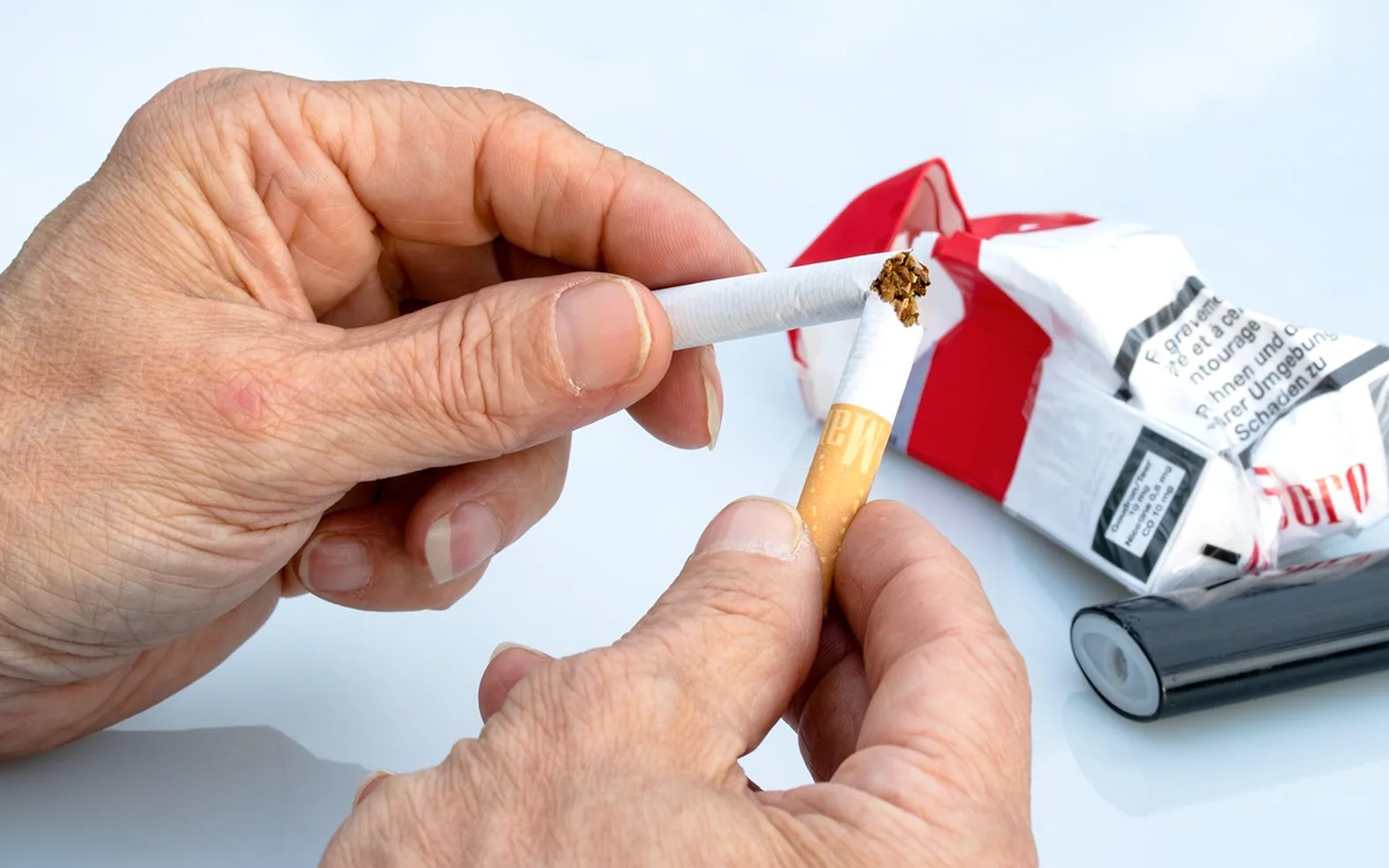
Stopping smoking is one of the most positive changes you can make for your health, and the benefits start earlier than many people realise. Health services publish detailed timelines; the outline below describes the general pattern in plain terms. Everyone is different, so treat it as a guide rather than a schedule.
The first hours and days
Soon after your last cigarette, your body begins clearing carbon monoxide and nicotine. Within the first few days many people notice that food tastes and smells stronger. This is also when cravings and withdrawal symptoms such as irritability, restlessness and poor concentration are usually at their strongest.
The first weeks
Over the following weeks, circulation tends to improve and many people find walking and climbing stairs a little easier. Cravings usually become less frequent, though they can still arrive suddenly in familiar situations, such as with a coffee or after a meal.
The first months
Coughing and wheezing often ease as the lungs recover. Energy levels may improve, and the money you are no longer spending on cigarettes starts to add up noticeably.
The longer term
Over the years after stopping, the risk of serious smoking-related illnesses, including heart disease, stroke and several cancers, falls compared with continuing to smoke. It is never too late to benefit.
Getting through cravings
- Delay: most cravings pass within a few minutes, so wait them out.
- Distract: go for a short walk, drink a glass of water or keep your hands busy.
- Change routines linked to smoking, at least for the first few weeks.
- Use support: stop-smoking services offer free help and can discuss options such as nicotine patches and other nicotine replacement.
What about vaping?
Some adult smokers use a vape to help them stop smoking. Our article on reusable vapes and smoking reduction covers this; the aim should be to stop smoking completely, and ideally to stop nicotine over time.
If you slip
A cigarette after weeks without one does not mean you have failed. Think about what triggered it, plan for next time, and carry on. Many people need several attempts before they stop for good.
Information for everyday reading — your own doctor knows your situation best.