What Is Myofunctional Therapy? Tongue, Lips and Breathing Explained
· 4 min
In short
Where your tongue rests, how you swallow and whether you breathe through your nose all shape the mouth over time. Myofunctional therapy works on those habits with simple, regular exercises.
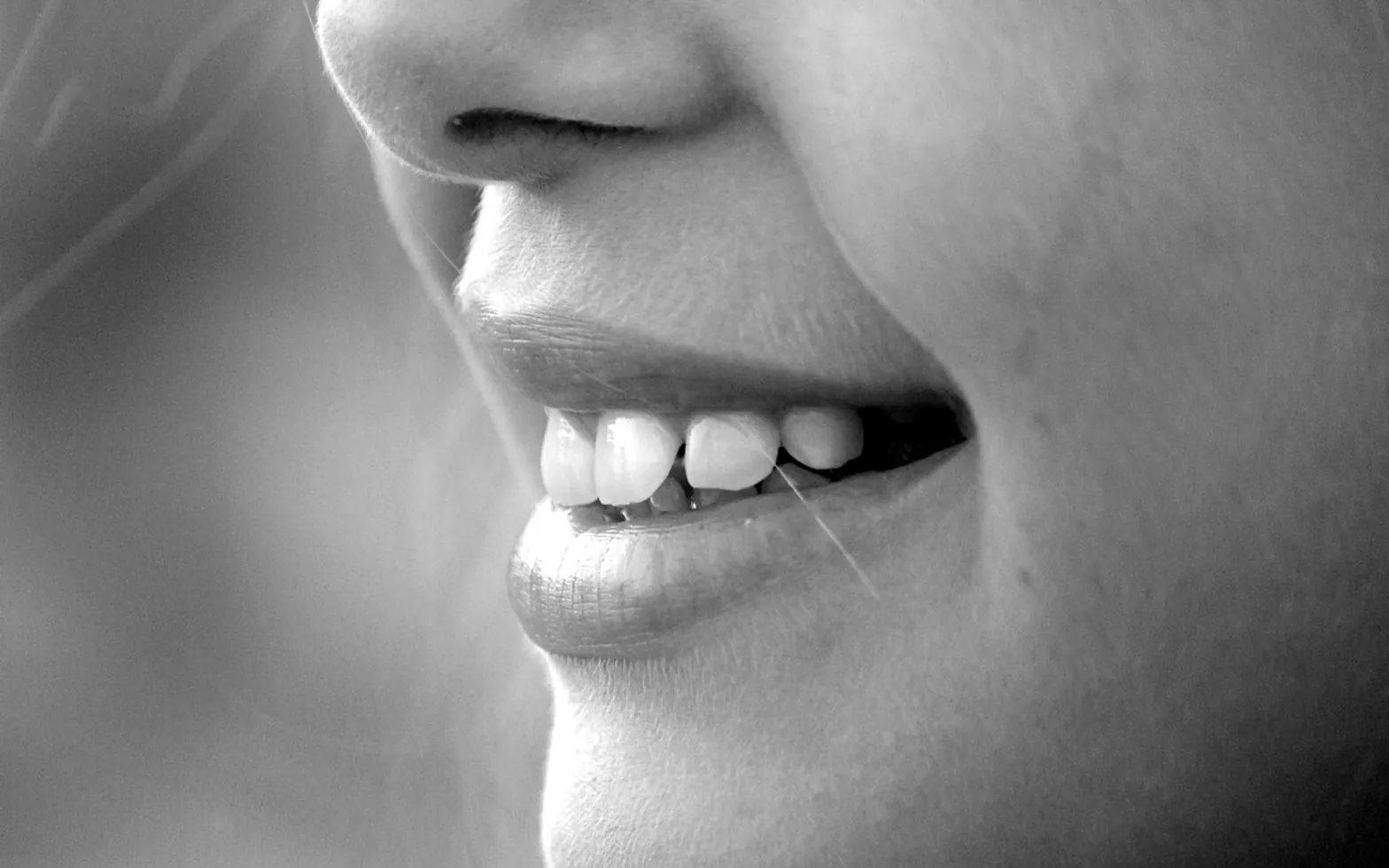
Myofunctional therapy, more fully orofacial myofunctional therapy, is a programme of exercises for the muscles of the tongue, lips, cheeks and face. Its aim is to change habits such as a low resting tongue, a tongue that pushes forward when swallowing, or breathing through the mouth by default. It is often used alongside orthodontic treatment, in speech therapy and sometimes as part of care for snoring, though it supports rather than replaces medical treatment.
Why muscle habits in the mouth matter
Teeth sit in a balance between the tongue pushing outwards and the lips and cheeks pressing inwards. When that balance is off for years, for example because the tongue rests low and forward, it can contribute to teeth drifting or to an open bite, where the front teeth do not meet. This is one reason orthodontists pay attention to tongue posture: straightened teeth are more likely to stay put when the muscles around them are working in their favour. The path into that specialty is described in our article on becoming an orthodontist.
Habits the therapy looks at
- Tongue thrust: the tongue pushes against or between the front teeth during swallowing or speech.
- Low tongue posture: the tongue lies on the floor of the mouth at rest instead of against the palate.
- Mouth breathing: lips apart and breathing through the mouth for much of the day or night.
- Lip incompetence: difficulty keeping the lips closed comfortably at rest.
- Lingering childhood habits: thumb or finger sucking, or prolonged dummy use.
Who provides it
Myofunctional therapy is offered by speech and language therapists, some dental hygienists and dentists with extra training, and other practitioners who have completed specific courses. Training standards vary widely, so it is worth asking about a practitioner's background and whether they work with your dentist or orthodontist.
What a programme looks like
- Assessment: how you breathe, swallow, chew and speak, how your lips rest, and how far your tongue can lift. Some practitioners check the tissue under the tongue for a restricted tongue tie.
- Goals: for example, keeping the lips closed at rest or swallowing without the tongue pushing forward.
- Daily exercises: short sessions at home, often a few minutes at a time, usually over several months.
- Review: regular check-ins to progress the exercises and turn new patterns into habits.
Examples of typical exercises
Practitioners tailor programmes, but these give a sense of the style:
| Exercise | How it is done | Purpose |
|---|---|---|
| Finding the spot | Place the tongue tip on the ridge just behind the upper front teeth and hold | Teaches the resting position |
| Tongue suction | Suck the whole tongue up against the palate, then release with a click | Strengthens the lifting muscles |
| Correct swallow | Swallow sips of water with the tongue on the spot and lips relaxed | Replaces a forward-thrusting swallow |
| Lip hold | Hold a flat object gently between closed lips for short periods | Builds comfortable lip closure |
| Nasal breathing practice | Breathe quietly through the nose with lips closed while reading or resting | Makes nose breathing the default |
Slow nasal breathing has a lot in common with the techniques in our beginner's guide to diaphragmatic breathing, and the two are easy to practise together.
Where it fits with other treatment
Orthodontics
Exercises may be suggested before, during or after braces or aligners, especially when tongue habits could work against the result.
Speech
Some speech sounds depend on precise tongue placement, so speech and language therapists may combine myofunctional exercises with articulation work.
Jaw comfort
Learning a relaxed resting position for the tongue and jaw overlaps with the advice given for jaw pain; see our guide to TMJ physical therapy techniques.
Snoring and sleep
Researchers have looked at mouth and throat exercises as an add-on for snoring and obstructive sleep apnoea. Results are still developing. If you snore loudly, stop breathing during sleep or wake unrefreshed, see your doctor first, as sleep apnoea needs proper assessment and treatment.
Limits and cautions
- Mouth breathing can have physical causes, such as a blocked nose, allergies or enlarged adenoids. These need checking by a doctor; exercises alone will not clear a blocked airway.
- The therapy requires daily practice. Results depend heavily on keeping up with it.
- Be wary of claims that exercises can reshape the face dramatically or cure a wide list of conditions.
Common questions
Is it suitable for children?
Children are often the main group referred, especially around orthodontic treatment, but they need to be old enough to follow and repeat the exercises. Adults can take part as well.
Does it hurt?
No. The muscles may feel tired at first, much like any unfamiliar exercise.
This article provides general information. Talk to your dentist, orthodontist or doctor about whether myofunctional therapy might suit you or your child.
Information for everyday reading — your own doctor knows your situation best.