Manual Therapy Explained: Hands-On Techniques and What They Do
· 4 min
In short
Manual therapy is the hands-on part of many physiotherapy, osteopathy and chiropractic appointments. Here is what the main techniques involve and why they are rarely used on their own.
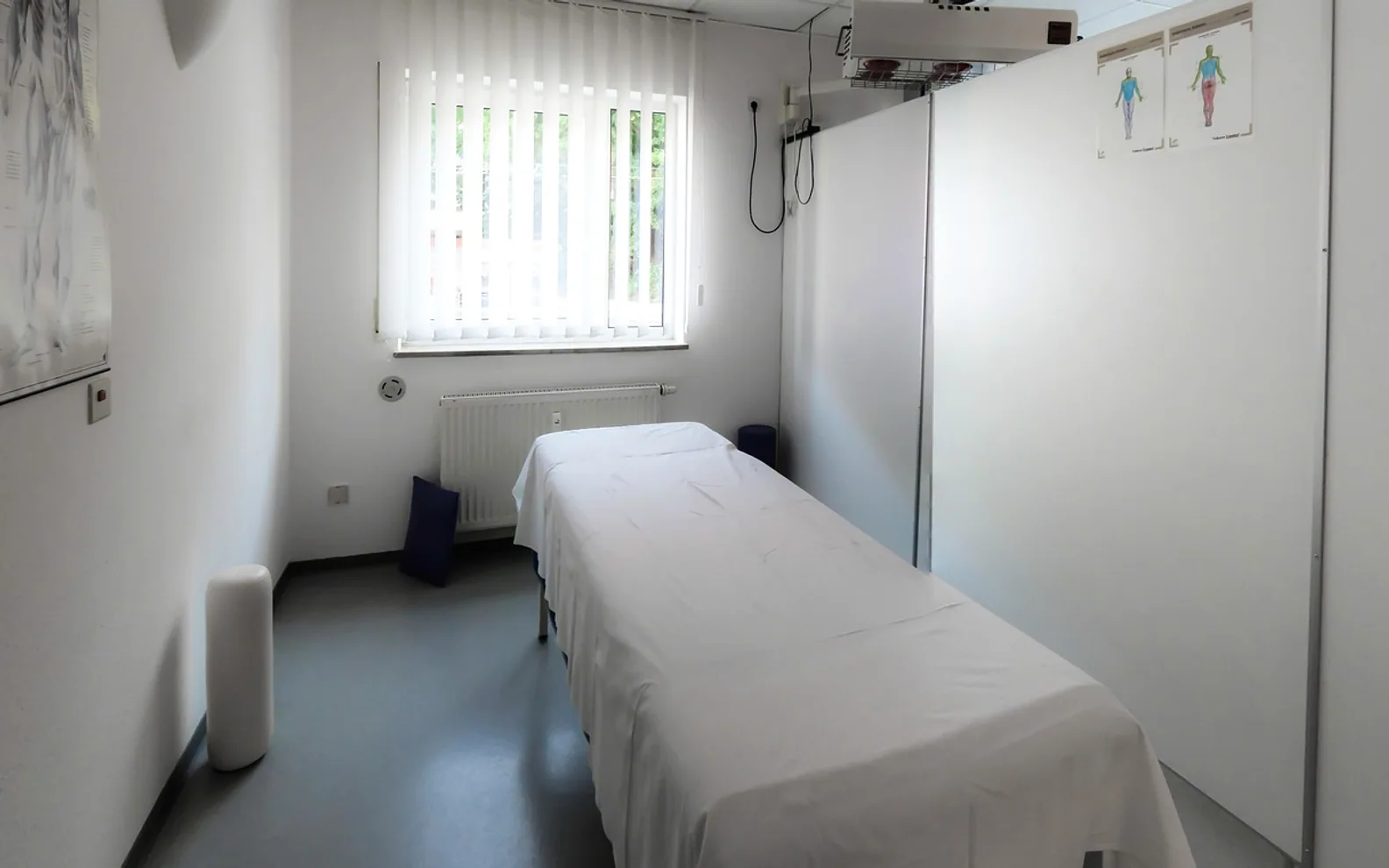
Manual therapy means treatment carried out with the practitioner's hands: moving stiff joints, pressing on or stretching muscles, and working on the connective tissue around them. It is usually offered for aches and stiffness in the back, neck, shoulders, hips and knees, and it tends to work best as one part of a plan that also includes exercise and advice.
Who provides it
Several professions use hands-on techniques, each with its own training and emphasis:
- Physiotherapists or physical therapists combine manual techniques with exercise, education and rehabilitation.
- Osteopaths focus on the musculoskeletal system as a whole and use a wide range of manual methods.
- Chiropractors are particularly associated with spinal manipulation.
- Massage therapists concentrate on soft tissues, and some train in specific approaches such as myofascial work.
Rules about who may use each title differ between countries, so it is reasonable to ask how a practitioner is registered before your first appointment.
The main techniques
Joint mobilisation
The practitioner moves a joint slowly and rhythmically within its range, sometimes gently, sometimes nearer the end of its movement. The aim is to ease stiffness and discomfort. It usually feels like a firm, repeated rocking, and you can ask for it to be lighter at any time.
Manipulation
Manipulation is a quick, small-amplitude thrust applied to a joint, often to the spine. It may produce a clicking or popping sound, which is gas shifting in the joint fluid rather than anything "going back into place". Serious complications are uncommon, but neck manipulation in particular carries risks that a practitioner should discuss with you beforehand. You are always free to decline it.
Soft-tissue mobilisation
This covers kneading, stroking and pressure applied to muscles, tendons and ligaments. It overlaps with massage, but in a clinical setting it is usually targeted at the area being treated and linked to the movement you are working on.
Myofascial release
Fascia is the thin connective tissue that wraps and links muscles. Myofascial therapy uses slow, sustained pressure or gentle stretching, held for longer than a normal massage stroke, with the idea of easing tension in that tissue. People often describe a slow spreading warmth or a feeling of release. The theories about how it works are still debated, so treat claims of dramatic change with some caution.
Muscle energy techniques
Here you do part of the work. The practitioner positions a joint, you push gently against their hand for a few seconds, then relax while they move the joint a little further. It is often used to improve range of movement.
A typical appointment, step by step
- Questions first: where the problem is, how it started, what eases it and what makes it worse, plus your general health and medicines.
- Movement tests: how you bend, turn, stand and walk, and which positions bring on symptoms.
- Explanation: what the practitioner thinks is going on and what they suggest.
- Consent and treatment: hands-on work for part of the session, with you able to stop or adjust at any point.
- Homework: exercises, posture or activity changes to continue between visits.
Wear comfortable clothing you can move in. If you are asked to undress partly, you can request a gown, a towel or a chaperone.
Why exercise is usually part of the plan
Many clinical guidelines for common back and neck problems suggest manual therapy only alongside exercise, not as a standalone treatment. Hands-on work may ease pain and stiffness for a while, which can make it easier to move; the exercises then help you keep that movement and build strength. If a course of treatment involves weeks of hands-on sessions with no exercises at all, it is fair to ask why.
For back problems specifically, our guide to physical therapy for lower back pain describes how hands-on care is usually combined with activity and education.
How it might feel afterwards
Mild soreness for a day or two is common, similar to the stiffness you might feel after unfamiliar exercise. Gentle movement, a warm shower and normal activity usually help. Tell your practitioner if soreness lasts longer, is severe, or if you notice anything new such as numbness, weakness or dizziness.
When manual therapy may not be suitable
Practitioners will adapt or avoid certain techniques if you have, for example:
- Osteoporosis or a recent fracture
- A bleeding disorder or medicines that thin the blood
- Active infection, inflammation or a skin problem over the area
- Unexplained symptoms such as weight loss, fever or night pain that does not ease
- Pregnancy, for some positions and techniques
Mention these at the start, even if they seem unrelated.
Questions worth asking
- What do you expect this technique to change, and how will we know if it is working?
- How many sessions do you usually recommend before reviewing progress?
- Which exercises should I be doing at home?
- Are there any risks for someone with my health history?
Where it fits in everyday life
Hands-on treatment can be a helpful nudge, but daily habits carry most of the load. Small changes to how you sit at work, covered in our piece on desk posture adjustments, and to how you rest at night can make the effects of treatment last longer.
Treat this page as general background rather than advice. For pain that is severe, getting worse or affecting your daily life, speak to your doctor or a registered practitioner.
Information for everyday reading — your own doctor knows your situation best.