Ultrasound Therapy: What to Expect From This Physio Treatment
· 4 min
In short
Therapeutic ultrasound uses sound waves rather than images. It is a quick, painless add-on in some physiotherapy clinics, and it works best as a supporting act rather than the main event.
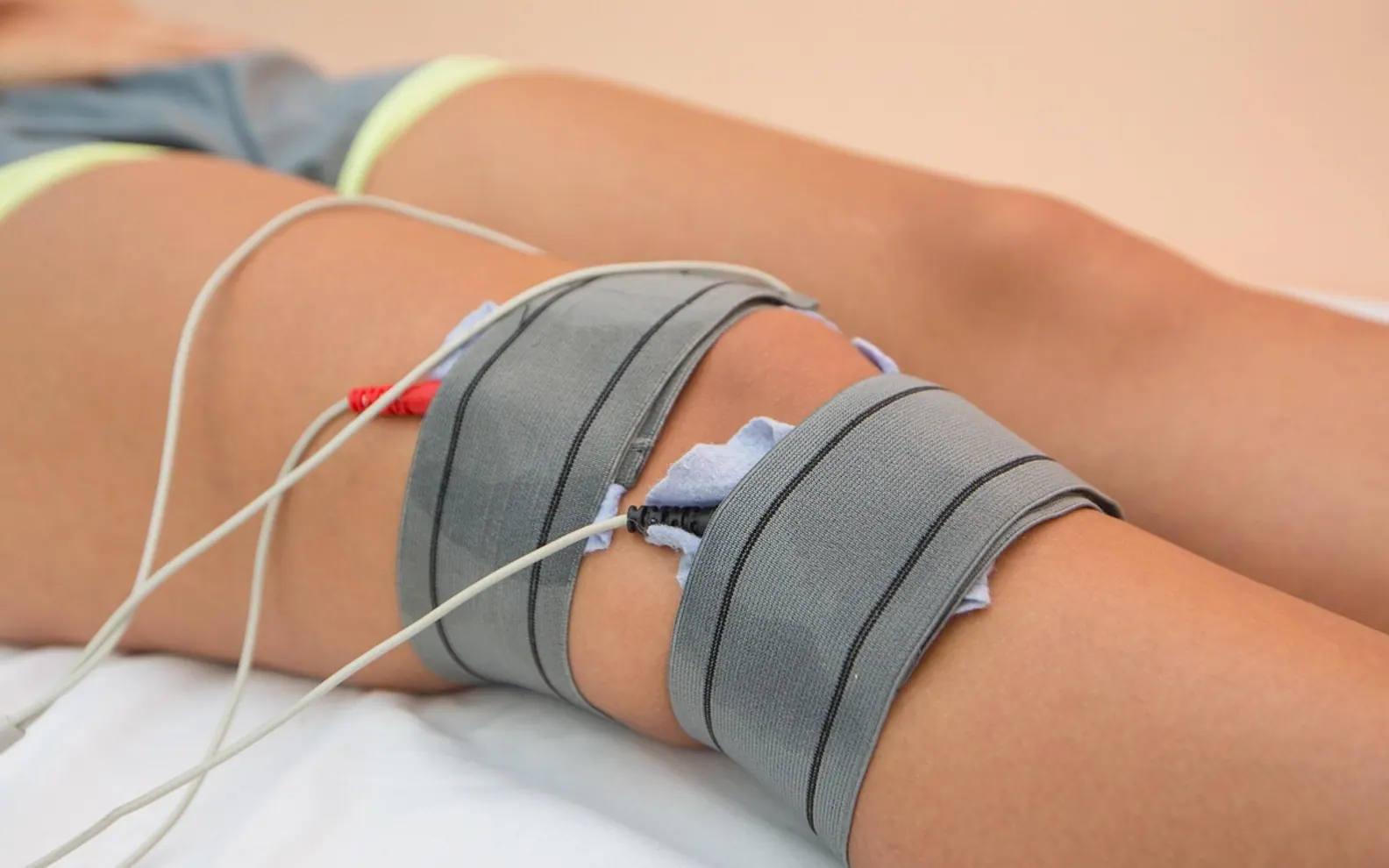
Ultrasound therapy is a physiotherapy treatment that sends high-frequency sound waves into soft tissue through a small hand-held probe. It is painless, takes a few minutes per area and is sometimes used for muscle, tendon and ligament problems. It is not the same as the ultrasound scan used to take pictures, and research on how much it helps is mixed, so it usually sits alongside exercise rather than replacing it.
Therapeutic and diagnostic ultrasound are different things
Both rely on sound waves pitched far above what human ears can hear. A diagnostic scan uses those waves to build an image, for instance during pregnancy or to look at an organ. Therapeutic ultrasound uses a different machine and settings to deliver energy into tissue, with the aim of affecting the tissue itself. If a physiotherapist mentions ultrasound, they almost always mean the treatment version.
How it is meant to work
Practitioners generally describe two modes:
| Mode | How it is delivered | Intended effect |
|---|---|---|
| Continuous | Steady output | Gentle deep warming of tissue, which may ease stiffness before stretching |
| Pulsed | Short bursts with pauses | Little heat; intended to influence tissue at a cellular level during healing |
Those are the theories. Studies looking at real-world results have produced mixed findings, and some clinical guidelines for common problems such as lower back pain advise against using it. Your physiotherapist should be able to explain why they think it is worth including in your case.
What happens during a session
- The area is uncovered and a water-based gel is spread on the skin. The gel lets the sound waves pass from the probe into your body.
- The physiotherapist chooses the settings, depending on the depth of the tissue and the mode they want.
- They move the probe in small, slow circles or strokes over the area. Keeping it moving prevents hot spots.
- Treatment usually lasts a few minutes per area, then the gel is wiped off.
- The rest of the appointment is normally given to exercise, hands-on work or advice.
What it should feel like
Most people feel nothing at all, or a mild warmth with continuous mode. You should not feel pain, burning or a deep ache. If you do, say so straight away: the probe may need to move faster, the intensity may need lowering, or the treatment may need to stop.
What it is sometimes used for
- Ligament sprains, such as a twisted ankle, once the early swelling has settled
- Tendon irritation around the shoulder, elbow or heel
- Muscle strains
- Stiff scar tissue, before stretching
Some clinics also use a related technique called shockwave therapy for long-standing tendon problems. That is a different treatment with different equipment, so ask if you are unsure which one is being offered.
Who should avoid it or check first
Physiotherapists screen for situations where ultrasound is not used or needs extra caution. These commonly include:
- Over a pregnant abdomen or the lower back during pregnancy
- Over a known or suspected cancer
- Over the eyes, the front of the neck, or the reproductive organs
- Near a pacemaker or other implanted electronic device
- Over areas with infection, open wounds, recent bleeding or blood clots
- Over areas where you cannot feel heat properly
- Over the growing ends of bones in children
Metal implants such as joint replacements may also change how the treatment is applied. Mention any implants, devices or medical conditions at the start, even if you think they are unimportant.
Making the most of your appointments
Because the extra benefit of ultrasound on its own is uncertain, the exercises you take home often matter more than the minutes under the probe. A good plan will include:
- A short set of exercises to strengthen or stretch the affected area
- Guidance on activity: what to keep doing, what to ease off
- A sense of how long recovery usually takes and how to tell if it is going off course
When a shoulder or elbow tendon flares up from long hours at a keyboard, the set-up you work at can matter as much as any clinic treatment; our desk posture adjustments are a sensible place to start.
If you are seeing a physiotherapist for a stiff ankle, the routines in ankle mobility exercises show the kind of home work that usually carries a plan forward. Hands-on methods are covered in our overview of manual therapy techniques.
Common questions
Can I buy a home ultrasound device?
Devices are sold for home use, but settings, probe movement and screening for unsafe areas all matter. It is wiser to discuss it with a physiotherapist before using one, and not to use it on any of the areas listed above.
How many sessions will I need?
There is no standard number. Ask your physiotherapist how they will judge whether it is helping and when they plan to review that.
Is it safe?
When applied by a trained professional with the probe kept moving and the right areas avoided, it is generally considered low risk. Burns are possible if the probe stays still at high intensity, which is why the moving technique matters.
This information is general and does not replace an assessment. If an injury is not improving, or you have sudden swelling, numbness or severe pain, contact your doctor.
Information for everyday reading — your own doctor knows your situation best.